
How Much Does Septic Tank Pumping Cost?
The short answer sits between $150 and $300 for most Lodi households, based on a standard weekday service call. That is the day-rate band we see most often, and it covers a typical single-family tank, reasonable access for the truck, and a routine pump-out with no backup or overflow involved. Weekend service costs more, usually landing between $50 and $150 above the weekday rate, because crews are working outside normal hours, and the same logic applies to septic tank pumping cost questions homeowners ask before booking. Tank size drives most of the variation. A 1,000 gallon tank is the common residential size in Lodi, and septic tank pumping service crews base their quote on that volume first, then adjust for depth of the lid, distance from the driveway, and whether risers are already installed. Homes further from Lodi's core, like properties out toward Woodbridge 6.0 miles north or Acampo 5.5 miles north, sometimes see a slightly higher call because of drive time, though that is folded into the same day-rate band rather than a separate charge. If your tank has not been serviced in years and sludge has built past a normal level, expect the visit to run toward the top of the range rather than the bottom, and reviewing septic tank warning signs beforehand helps the crew scope the job accurately.
Why Do Septic Tank Cleaning Prices Vary So Much?
Access and tank condition explain most of the swing in septic tank cleaning prices. A tank with risers already at grade takes less labor than one buried under a foot of soil, and that difference alone can move a job from the low end to the high end of the $150 to $300 band. Household size and tank size matter too. A typical residential septic tank gets pumped every 3 to 5 years, and that interval depends on tank size and how many people are using the system day to day. Skip a cycle or two and solids build up, which means more pump time and sometimes a second trip if the crew finds a clog on the outlet baffle. Commercial kitchens are a different animal entirely: a grease interceptor gets pumped once fats, oils, grease, and solids reach 25 percent of the liquid depth, and that schedule has nothing to do with the residential 3 to 5 year rule. If you run a restaurant or commercial kitchen in Lodi, check grease trap pumping instead of comparing it to a home septic quote. Emergency calls, backups, and after-hours dispatch all push toward the higher end of any pricing table, which is why knowing your tank's history before you call helps you get an accurate number, and it is the same reason a construction site services plan should account for septic access from the start.
When Should I Schedule Septic Tank Cleaning?
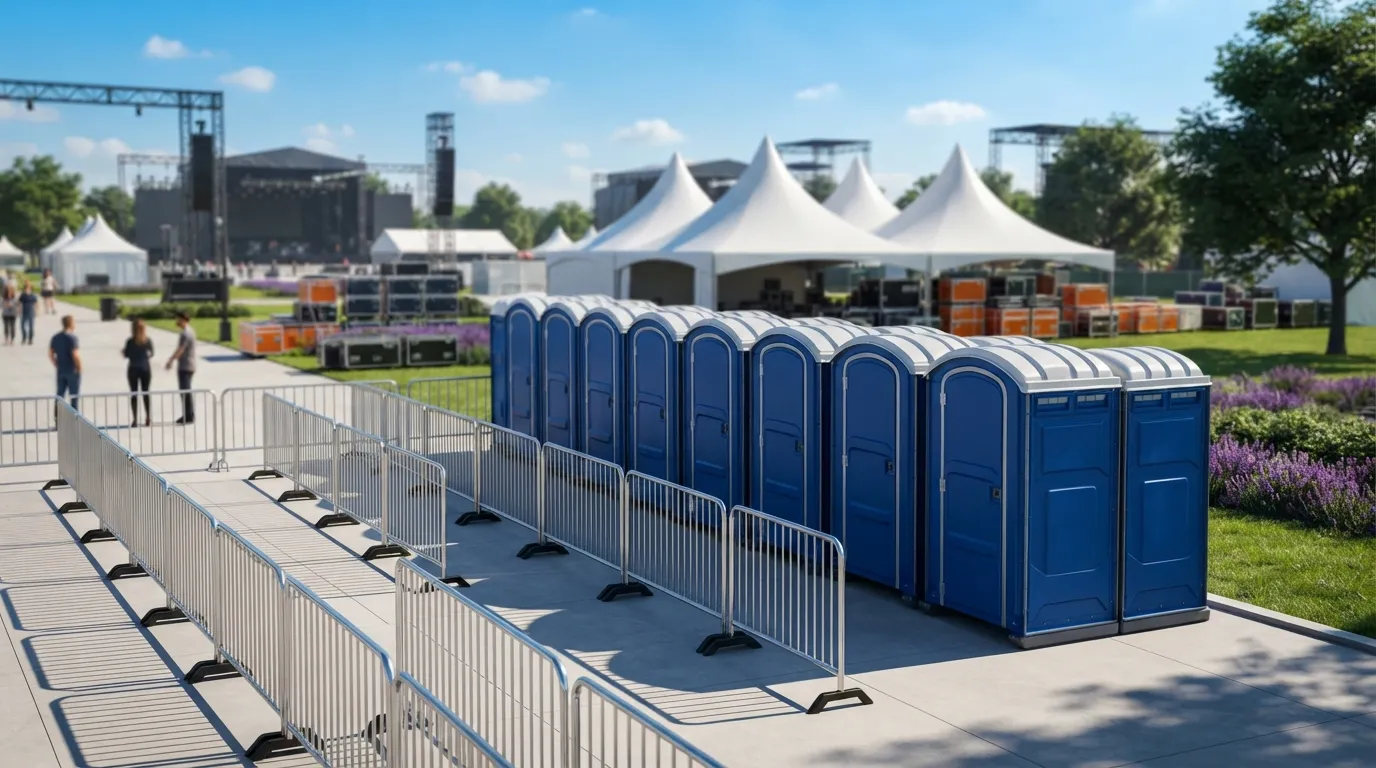
Most homeowners in Lodi should plan on pumping every 3 to 5 years, timed to household size and tank capacity rather than a fixed calendar date. A larger household with more bathrooms fills a tank faster than a couple living alone, so the lower end of that window fits heavier use, similar to how a busy job site needs a shorter service cycle on a standard porta potty rental than a lightly used one. Watch for warning signs between scheduled visits too. Slow drains, gurgling pipes, or standing water near the drain field usually mean the tank is fuller than expected, and waiting can turn a routine pump-out into an emergency call. Our septic tank warning signs page covers what to look for before it becomes a backup. If you are unsure how often your specific tank needs service, how often to pump a septic tank walks through the sizing math in more detail. Scheduling ahead also means you are not stuck paying a weekend premium; a routine Tuesday visit costs less than a Saturday emergency dispatch, and locking in a slot before symptoms show up gives you the day-rate price instead of the after-hours one, the same way booking a porta potty rental per day ahead of an event beats a last-minute call. For construction sites or events near Victor 6.0 miles east or Collierville 8.9 miles north that need holding tanks instead of a fixed system, holding tank rental is the better fit.
What Is Included in a Septic Tank Pumping Visit?
A standard visit includes locating the tank, opening or installing access risers if needed, pumping the full tank volume, and a basic visual check of the baffles and tank walls. Crews working in Lodi carry vacuum trucks sized for typical 1,000 gallon residential tanks, and the pump-out itself usually takes under an hour once the truck is positioned, similar to how a roll-off dumpster rental delivery needs clear access before the truck can drop the box. If your access point is buried, expect an added charge for excavation, since that adds real labor time before the pumping even starts. Some visits turn up a problem beyond a routine cleaning, like a cracked baffle or root intrusion in the leach field; those repairs are quoted separately from the pumping fee itself, much like how a dumpster rental cost quote can change once a crew sees what is actually going in the box. For homes that discover a bigger issue during a routine visit, septic tank cleaning crews can usually scope the tank and give you a straight answer on the spot rather than scheduling a second trip. If your system backs up outside business hours, emergency septic service covers that dispatch, and it is priced closer to the weekend band than the standard weekday rate. Comparing that against a temporary fix, like a rented unit while repairs happen, is worth a look too; a short-term porta potty rental cost is often far less than a delayed septic repair.

Do I Need a Permit for Septic Tank Pumping in Lodi?
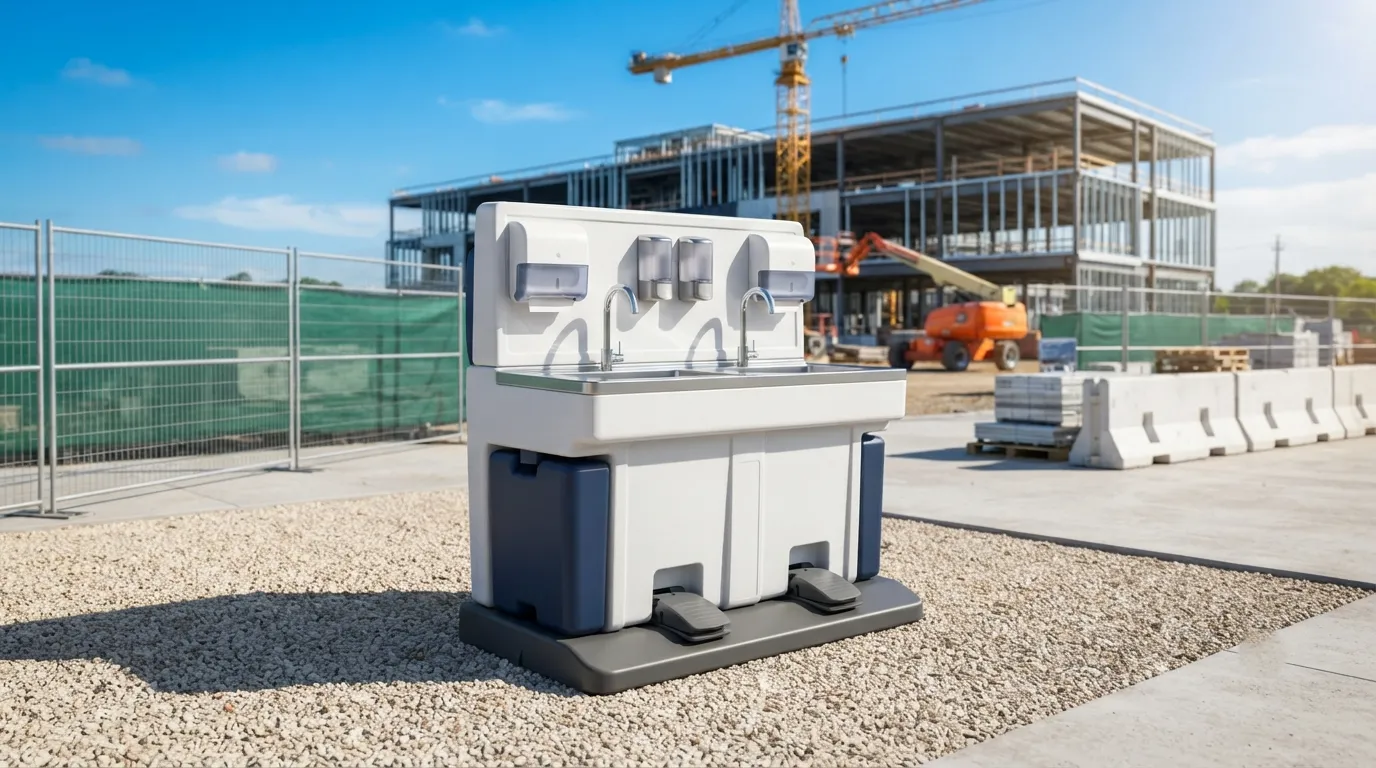
Routine pumping itself typically does not require a permit, but any excavation, tank replacement, or leach field work usually does, and that needs confirming directly with the City of Lodi rather than assumed. Permit rules vary by scope of work and by property, and a routine pump-out is a different animal from a tank repair or system replacement. If your project moves beyond a standard cleaning, check with the city before scheduling. This is also the point where planning ahead matters for other site needs, including whether a temporary fence rental is needed around an open excavation or a handwashing station rental is needed for crews working the repair. If you are dealing with a septic system down during repairs and need interim sanitation, portable restroom rental covers a home or small job site while the system is offline. Larger properties handling debris from an excavation might also need a roll-off dumpster rental on site at the same time, since septic repairs often mean digging up landscaping or old piping that has to go somewhere, and checking dumpster permit requirements early avoids a delay once the excavation starts. Either way, get the permit question settled with the city first, then schedule the mechanical work around that answer, and homeowners weighing a rental unit during repairs can compare options on the monthly porta potty rental page or the general portable toilet rental page for shorter jobs.
How much does a 1,000 gallon septic tank pumping cost?
Most 1,000 gallon tanks in Lodi cost $150 to $300 for a standard weekday pump-out. Easy access and a tank on a normal 3 to 5 year cycle land toward the low end; buried risers or heavy buildup push it higher.
How often does a residential septic tank need pumping?
Every 3 to 5 years for most households, though tank size and the number of people using the system change that window. Heavier use means shorter intervals; a smaller household can often stretch closer to 5 years.
What is the difference between septic pumping and septic cleaning?
Pumping removes the liquid and solid waste from the tank. Cleaning can include a full pump-out plus a check of baffles, inlet and outlet pipes, and general tank condition, which is why some quotes list it as one combined visit.
Does a full septic tank mean I need emergency service?
Not always. Slow drains or gurgling pipes are early warning signs, not necessarily an emergency. But standing water near the drain field or a backup inside the house means you need faster response than a routine scheduled visit.
How do I know if I need a bigger tank or just more frequent pumping?
If you are pumping every year or two instead of every 3 to 5, your tank may be undersized for your household. A service crew can measure sludge buildup at each visit and tell you whether the interval is normal or a sign the tank itself needs replacing.
Next step
Get a delivery date
Tell us the address, the dates and the headcount. We size the order and confirm the route.